 If you’ve had enough of sciatica pain ruling your life, don’t despair! In this article, I’m going to show you three of the most common home sciatica treatments – and how you can use them to reduce pain quickly. The best part about these treatments is that they can cure sciatica – not just cover up the pain. So, let’s get started!
- Home Exercise Program
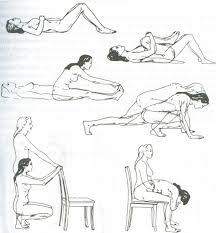
Exercise programs are an important component of any sciatica treatment plan. By stretching and strengthening parts of your body that may be causing irritation of the sciatic nerve, you can reduce pain and speed up recovery.
 The most effective exercises depend on the underlying reason you are suffering from sciatica. Sciatica caused by a herniated disc, for example, is not treated with the same exercises as sciatica caused by spinal stenosis. To find out the best exercises for any cause of sciatica, click here.
It’s also important to keep your body relaxed to allow it to heal. A great way to do this, without aggravating your condition, is brisk walking. Other light activities can have a similar effect, but if something hurts then stop immediately.
Bonus tip: It’s essential that you don’t become completely bed bound due to pain. Lying in bed for more than two days has been shown to make sciatica worse, as your muscles become tight and weakened.
- Balance Your Diet
Curing sciatica permanently often means treating more than just the physical cause. You also need to improve your diet to prevent the pain from reoccurring.
One of the easiest ways to reduce the pain associated with sciatica is to drink more water. When you’re dehydrated, parts of the spine become deflated. This can cause extra pressure on the sciatic nerve.
If possible, you should also try to avoid anti-inflammatory foods. There are far too many inflammatory foods to list in this article, but anything with high sugar content can potentially lead to inflammation and increased pain.
- Home Remedies
Home remedies can make a big difference to your sciatica pain – and often relatively quickly. The great thing about home remedies is that they don’t require a prescription or expensive ingredients.
One of the simplest home remedies is peanuts. This is because peanuts contain lots of magnesium which is crucial for allowing muscles to relax.
By eating a small/medium portion of peanuts each day, the muscles surrounding the sciatic nerve are more likely to loosen up and reduce compression.
Choosing the Right Home Cure for Sciatica
Each of these home treatments can be effective – but you shouldn’t just choose random treatments for your pain. Instead, it’s important to choose the right treatment for the underlying cause of YOUR sciatica, or your pain may worsen or at best – not improve at all.
Fortunately, a sciatica expert has recently released an online program teaching you how to cure sciatica pain in less than seven days, from the comforts of your own home. The course also contains a list of the seven most powerful home remedies to naturally eliminate sciatica pain and comes with an iron-clad full money-back guarantee! Click here to find out more.
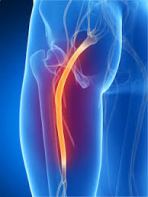
 Sciatica, at its most basic level, is caused by irritation of the sciatic nerve. This nerve runs from the spine down to the feet – which is why your sciatic pain often feels like electric “shocks” throughout the lower limbs.
 Creating an Effective Sciatica Exercise Routine
 If you visit a doctor about your sciatica, he or she is likely to prescribe pain-killing medication. This can be useful as a short-term fix and may also reduce inflammation.


 Taking more steps each day may help reduce symptoms of fibromyalgia and improve overall health, according to a 2014 study in Arthritis Care & Research. Investigators followed 199 adults with fibromyalgia wearing an accelerometer, which tracked their step count, for 12 weeks. Those who increased their steps the most over the three-month period also had the most significant reduction in fibromyalgia symptoms. Exercise like walking increases the release of endorphin like chemicals in the blood and activates brain regions that dampen pain while reducing depression, says study author Dennis C. Ang. a rheumatologist at Wake Forest University Baptist Medical Center. Using a pedometer or activity monitor to track your steps can help you slowly increase activity.








 My Health Selections