Archives

Why Arthritis Patients Suffer This Unrelated Infection

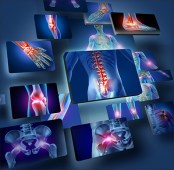
topPicPeople with arthritis are more likely than the healthy population to suffer from infections, including potentially deadly ones that can put you in hospital on intravenous antibiotics. Conditions like urinary tract infections, upper respiratory infections, pneumonia, and meningitis are all caused by bacteria or viruses and are all common in people with arthritis.

So why does this happen to people with arthritis?

To answer this, American researchers analyzed the data of arthritic patients registered on the Corrona registry between 2003 and 2015, comparing people with different levels of disease activity to see how important it is to keep arthritis under control.

They published the study in the journal Arthritis Care Research.

In this case, they used the commonly used clinical disease activity index to separate the patients into those…

– with sustained remission (3,355 people),
– those with sustained low disease activity (3,912 people),
– and those with sustained moderate to high disease activity (5,062 people).

Overall, there were 1.03 infections per 100 patient-years in the remission group, 1.92 in the low disease activity group, and 2.51 in the high disease activity group. For this reason, it is incredibly important to keep your arthritis under control, especially to the point where you are in remission and the condition is mostly dormant. Those who took drugs that suppress the immune system had twice the risk of infection of the others, and in their case remission did not help.

So how can you put your arthritis in remission without suffering the side effects of medications?

Here are the exact 3 steps, thousands of readers have used to completely rid ourselves of arthritis. Read more!


Advertisement
Get great posture NOW


Advertisement

Advertisement

Most Surprising Cause of High Cholesterol

LDL_58341913_m-2015High cholesterol, is it caused by diet, lack of exercise, your genetics or what? New research, just published in Science Magazine, reveals at least one major reason some people have high cholesterol and other don’t – even if they share the same lifestyle. What’s more, it’s the same angle as causes arthritis, schizophrenia, eating disorders and visceral fat accumulation.

And it’s all somebody else’s fault!

A few years ago, scientists started to construct a complete genetic profile of a female Neanderthal from her bones found in the Vindija Cave in Croatia. Since Neanderthals and homo sapiens mated and had children, they wanted to understand which genetic factors came from the Neanderthals. After all, almost all of us probably have some traces of their genes in our blood. We probably inherited our genes for rheumatoid arthritis, schizophrenia, eating disorders, visceral fat accumulation, and cholesterol from our distant ancestors.

Sounds bad, right?

But one of the genetic variants for cholesterol we inherited from them is actually positive. It’s called rs10490626 and is associated with LDL (or bad) cholesterol, and most of the people who carry it have relatively low levels of this type of cholesterol. Does this really mean you should sit down helplessly and blame your cholesterol on your ancestors? It certainly does not. Whereas genes play some role in the game, the main reason for high cholesterol and most other health issues is caused by our lifestyle.

And most amazingly, the main reason for all plaque buildup in our arteries is caused by one ingredient, you didn’t even know you were consuming.

Since the 1970s, most medical institutions have stood by the view that LDL cholesterol is bad cholesterol because it hangs around in our blood streams and consequently forms plaques in our arteries that damage and block them. As a result, when you go for a cholesterol test, your doctor measures your LDL cholesterol to calculate whether you are at risk of heart disease. If your LDL cholesterol is high, you will be pushed to take dangerous statin drugs.

A new study now suggests that this is wrong, and that lowering LDL cholesterol may be completely useless to avoid heart diseases. To understand how this works, you should understand how cholesterol is carried in your blood stream. Cholesterol travels through your blood stream in protein parcels called lipoproteins. The lipo (fat and cholesterol) is inside, the protein cover is around it. LDL stands for low-density lipoprotein. In the new study, published in JAMA Cardiology, researchers treated groups of people with different substances to lower their LDL.

When their LDL alone was lowered, they showed only a small reduction in heart disease risk. However, when their LDL was lowered in combination with something called apolipoprotein-B (normally called apoB), their heart disease risk plummeted far further. This suggests it is apoB that needs to be lowered, not LDL cholesterol.

So, what is apoB and why is it so important?

ApoB is a protein without which these lipoprotein parcels that carry cholesterol cannot be formed. Wherever you find a well-formed LDL parcel, you will find ApoB around it. When a laboratory measures your LDL, it measures not only the number of LDL parcels that travel through your blood stream, but also information on the size of the LDL parcels to estimate exactly how much cholesterol they are carrying. This means that, when your LDL cholesterol drops, it may be either because the number of LDL parcels drops, or because the size of the parcels drops while their number remains the same.

When a laboratory measures your apoB, on the other hand, it measures only the number of LDL parcels, with the amount of cholesterol they carry being irrelevant. Therefore, this new study shows that to cut your heart disease risk you need to cut the number of LDL parcels in your blood stream, not the amount of cholesterol carried by these LDL parcels. The scientists did not speculate why this was the case, but the fact that each of our body’s cells has only one receptor to receive apoB might explain it. Your body’s cells want to absorb the LDL that is currently travelling through your blood stream so that they can use it. But if you have too many LDL parcels, these parcels have to wait in a traffic jam outside your cell’s limited apoB receptors before they can be absorbed.

This means that LDL parcels have to circulate through your blood stream for long periods before they can be used, increasing the chance that they will become oxidized (go rancid),  and it’s oxidized cholesterol that forms plaque in your arteries, causing stroke and heart attack.

Learn how to clear your arteries of oxidized cholesterol and prevent stroke and heart attack – in 30 days or less – Click Here!


The Arthritis Strategy

Take a Walk, Cure Arthritis

Arthritis pain can be so bad that a walk to the bathroom can seem like struggling through a bed of nails –if only the nails were being hammered into your knees and back! Your body tells you to “sit down and rest” between every step. But that’s some horrible advice, no matter how well intentioned it may be.

The Real Future of Arthritis
Many doctors predict that technological advances like cutting edge medications and futuristic machines will someday emerge as the “cure” for arthritis. Unfortunately, no amount of money or science is going to take care of this pesky $120 billion dollar arthritis problem out nation struggles with. After all, we already have prevention and a cure. Best of all, it doesn’t require a single dollar, a prescription, or even a doctor’s appointment.

What’s this amazing arthritis treatment that has arthritis scientists jumping up and down in excitement? Walking!

Walk It Off
Researchers at the National Institutes of Health recently looked at a group of people with knee osteoarthritis who weren’t yet in serious pain. Those that did light exercise for just 20 minutes per day completely put the brakes on arthritis.

What if you already have arthritis? Walking can change your life too.

A study published in the Annals of Internal Medicine found that a walking program reduced arthritis pain by nearly one third. That blows away the results from arthritis medications that tend to modestly improve pain levels by 10 percent or less.

Walk This Way
Arthritis can make walking an uphill battle. Fortunately, you don’t have to walk to China and back to see a very big difference.

Here’s how to do it:

Start S-L-O-W: The transition from couch potato to power walker is a dramatic one. Your walking program should be like a beat up 67’ Chevy: start slowly, gradually increasing the speed, and go strong after a thorough warm up.

Record, Rinse, Repeat: Just “going for a walk” may work for some, but your enthusiasm will quickly sputter out. Setting goals and benchmarks will keep you on track and make sure you stick to this life-altering change.

Don’t Be Afraid: To breathe, sweat and struggle. As long as you can pass the “talk test” (being able to carry on a conversation while exercising), you’re at the right intensity level.

Expect Miracles…Eventually: There’s no question that daily light exercise turns the tables on arthritis. But it’s going to take more than a few laps around the track to feel a difference. Stick with it and the results will come.

Run, Don’t Walk, To Buy This Incredible Program
Walking works. But for those with painful or stubborn arthritis, it’s not nearly enough.  Learn more about  CLICK HERE!


728x90</p> <p>


Advertisement
Get great posture NOW

The #1 Organ That Causes High Blood Pressure, and nobody talks about it

By Christian Goodman

Anybody diagnosed with high blood pressure will find a volley of ideas and thoughts on what factors and organs are responsible for the spike. But there is one organ that nobody ever talks about, not even mentions, when discussing high blood pressure. This organ secretly narrows your arteries and raises your blood pressure. The good news is, when you shed light on this organ, it’s very easy to tackle it and permanently cure high blood pressure – without medication.

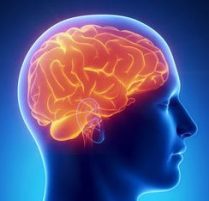
A study conducted by researchers from The School of Medicine at University of Maryland, and Ottawa Heart Institute, found an interesting link between our brains and high blood pressure. In this study, the researchers identified a steroid compound called ouabain, which the brain releases to constrict or dilate the diameter of the arteries throughout the body.

The researchers performed certain experiments on animal models to find this definite link between the release of ouabain in the bloodstream and constriction of arteries. Obviously, if the brain releases more ouabain, which narrows the arteries, blood pressure rises. Just like there is more pressure when drinking milkshake through a narrow straw than a wide straw.

The most interesting part of this finding is that now we can see our brain has almost complete control over our blood pressure. If we have high blood pressure, it’s because our brain has consciously decided to release ouabain to raise our blood pressure.

So why does the brain make that decision?

The answer is any kind of stress. It can be sensory (traffic noise), emotional (divorce), mental (work task), or physical (workout, disease). Most of the time this is a temporary stress and your brain raises your blood pressure to deal with an immediate threat or condition (this is healthy).

But at some point, it becomes chronic. It’s like some neural path gets stuck in this stress circle and can’t get out of it. Obviously, then, the solution for high blood pressure must be to get us out of this circle. Tell the brain to chill out and stop overdosing on ouabain.

This is what I call a Focused Break.

Long before this study came out, I developed 3 easy exercises designed to give your brain and neural system a Focused Break, and therefore permanently lower blood pressure.

Learn more about these Focused Break, blood pressure exercises and try them out for yourself here…

Advertisement
728 x 90

Advertisement
728 x 90

Advertisement
Tremors

Advertisement
CWI Medical Healthcare Supplies

When Snoring Becomes a Problem

When Snoring Becomes a Problem

by Christian Goodman

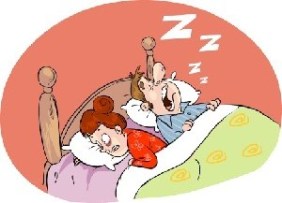
Snoring it’s something we all grow up knowing about. Granddaddies snore after Thanksgiving dinners. Moms tease dads about their snoring and sometimes it’s mom who snores. The point is, snoring is quite common. At some point we have all snored or known of someone who did.
What we cannot all readily discern however, are the reasons behind snoring.
The Stop Snoring Exercise Program” forced me to examine various causes of snoring and incorporate them into the system.
Why we snore?
First of all, it may be hereditary. That’s right; certain physical characteristics may just be family traits we can’t avoid. Large tonsils and adenoids can contribute to snoring. Gender can increase your odds of snoring.  Males tend to snore more.  Age also contributes.  The older most people get, the less toned they are.  Muscle tone or rather the lack of around the throat can lead to snoring. Reduced air flow through the nose due to an illness or having allergies can result in snoring as well as a poor night’s rest.
Contributors like that are not within our control. We can change some of the other reasons that we snore. Among these ‘changeable’ reasons are such things as being overweight or out of shape, a history of smoking, alcohol, medications, or simply our sleep posture.
Issues from Snoring
People who snore suffer. So do those who love and live with them. Couples resign themselves to separates rooms when sleeping – creating distance where normally closeness would reign. Our physical and emotional well being suffer. We have study after study proving the value of a good night’s sleep. But we also have sleep studies proving that snoring is waking many up throughout the night. It’s a nuisance that’s robbing us of the most rewarding ‘deep’ sleep that our bodies crave.
Do You Know How you Snore?
Snoring with a closed mouth can be the result of tongue position.  It can deter air passage. If you sleep with your mouth open, it’s much more likely that your throat tissues are causing this bothersome Zzzzzzzz. Those sleeping on their backs have cases that are generally milder in nature. A change in position and concentration on good posturing will often give this group relief.
When snoring occurs in all sleeping postures and mouth positions, additional issues may present. For the larger majority however, a simple lifestyle change to get in better shape or some attention to finding a position for optimal air passage can make a difference in a sleepless night and a night full of rest.

Christian Goodman is a well known natural health researcher and the creator of many natural health alternatives. A recent work is his stop snoring treatment, which has now provided help to thousands of people to stop snoring.

Discover an All Natural Method That Permanently Eliminates Snoring! CLICK HERE!


What is Insomnia and What are the Symptoms of Insomnia?

Insomnia is a sleep disorder that causes difficulty falling asleep, difficulty staying asleep or both, states WebMD. Individuals typically have one or more of four major symptoms: difficulty falling asleep, waking up frequently and struggling to fall back asleep, waking up early in the morning or feeling tired after waking. There are two main types of insomnia, according to WebMD. Primary insomnia is characterized by sleep issues not associated with another health problem. Secondary insomnia, on the other hand, occurs when a pre-existing health condition, pain or substance use is causing sleep issues. This can include physical ailments such as asthma, arthritis or heartburn, or mental conditions such as depression.

Insomnia can also be classified as either acute or chronic, states WebMD. Acute insomnia, or short-term insomnia, can last between one night to a few weeks. Chronic insomnia occurs when a person struggles to sleep at least three nights per week, for a period of one month or longer. Individuals struggling to sleep or suffering from one of the symptoms of insomnia should visit a health care provider for proper diagnosis and treatment, advises WebMD. Additional symptoms that may indicate a problem with insomnia include fatigue during the day; difficulty concentrating and remembering things; general sleepiness; and irritability.

Symptoms of insomnia include difficulty falling and staying asleep at night and feeling tired after a night’s sleep, states Mayo Clinic. An insomnia sufferer takes more than 30 minutes to fall asleep and sleeps for less than six hours for three or more nights a week over a 30-day period.

Additional insomnia symptoms include awakening earlier than needed, daytime fatigue, anxiety, irritability, depression, inattentiveness, clumsiness, tension headaches, brooding over sleep and distress about sleep, explains Mayo Clinic. Consult a doctor to determine the cause of insomnia if symptoms make it hard to function during the day. A doctor may suggest a sleep center to determine if insomnia symptoms indicate a sleep disorder.

Complications of insomnia symptoms include substance abuse, decreased performance at school or on the job, obesity, increased risk for long-term conditions such as heart disease, high blood pressure and diabetes, and slowed reaction time that increases the risk of accidents, according to Mayo Clinic. Risk for insomnia is greater for women, older adults, individuals under stress, those with a mental health disorder and individuals traveling long distances. Stimulants such as caffeine, alcohol and nicotine taken late in the day may intensify insomnia symptoms, and eating too much before sleeping can cause insomnia from heartburn.

What are some signs of having a sleeping disorder?

The signs of a sleeping disorder include frequent napping or persistent fatigue during the day; lack of concentration; sleeping inappropriately, especially when sitting; and waking up earlier than normal in the morning. A person with a sleeping disorder may also experience loud breathing or snoring during sleep and a feeling of wanting to move legs, especially during bedtime.

Because a sleeping disorder may signify a serious underlying condition, it is advisable to seek immediate medical care when the signs of the condition persist to ensure early diagnosis and treatment of the cause, states. Some of the tests that may help to diagnose the cause of a sleeping disorder include electroencephalogram and polysomnography. Based on the results of the diagnosis, the doctor may recommend treatment options such as sleeping pills, allergy medications and psychotherapy.

A sleeping disorder is a short-term or long-term condition in which an individual experiences disturbance in his sleeping habit as a result of an underlying disease or condition. Causes of sleeping disorders include bedwetting, which typically affects children; restless leg syndrome, which is an increased leg movement during sleep; and insomnia, which is a prolonged lack of sleep due to anxiety, stress and hormonal changes. Sleeping disorders may also result from allergies, sleep apnea and nocturia, which is a condition in which the night time urination frequency is higher than normal.

If you suffer from sleeplessness 2 or more times a week, then insomnia has found its way into your life and it is slowing stealing your happiness. Discover Ways To End Your Insomnia Completely!  Click here to learn more about..

Do you spend sleepless nights staring at the ceiling and waking up every day feeling exhausted? Pills only help you to sleep, but they keep you in that zombie state. And you are left to struggle with insomnia all alone. You are left feeling powerless over your own body. Eliminate Your Sleeplessness Once and For All! Click here and read more..


Best Exercise to Lose Weight

We have different reasons to get in shape. And with lots of different exercises around, it’s hard to figure out which is the best exercise to lose weight. Of course, the general rule would be to choose the best exercise that will fit your need to ensure that you get the results that you desire. There are many options available, but the best exercise to lose weight is none other than yoga.

Yoga is a series of physical postures called Asanas. It is a holistic science that believes that everything in our body is connected. It doesn’t only focus on the physical aspect of the body; it also aims to achieve stillness of the mind. It links and synchronizes the power of both the mind and the body to create a sense of balance and stability.

Originally, yoga was created to prepare the body for meditation, which is probably one of the hardest things to do – especially in today’s very busy and demanding world. In meditation, you are expected to channel your senses within, without distraction. Doing this will give you stamina and no longer make you feel that your body is separate from your mind. It makes you a ‘whole’ being, bound by a single energy from the mind, body and soul.

This balance among the aspects of yourself (mind, body, and soul) is what gives you the discipline to concentrate only on the things that are crucial and important. This is what makes yoga the best exercise to lose weight. In terms of overall benefits, yoga is a better choice than other types of physical activities.

Unlike other exercises that only focus on specific areas of yourself, yoga gives an all-natural and far-reaching approach to help you achieve your goal. Aside from being a great activity that the young and old can enjoy, yoga also has other positive effects. When burning fat for instance, it doesn’t target just one area of your body, but rather all over so you can slim down quickly.

Not only that, yoga keeps the heart going and gets rid of the toxins, stress and negative feelings that can make you sick. If you want to tone up, you might think that lifting weights is the best exercise to achieve that. Well, you’ll be surprised to know that yoga can also help you in this aspect.

By doing the various postures, you don’t only relax your body, but also tone your muscles and improve your endurance. Moreover, it can help you be a more positive and likeable person. Through yoga, you will learn to treat your body well and keep a healthy mindset. It will alleviate your anxiety and help you get in the best shape of your life. Of course, it’s best avoid food high in sugar and salt because it contributes to weight gain and make you feel bloated and sick.

Yoga is truly the best exercise to lose weight. Many generations of practitioners swear by its extensive, life-prolonging effects. To start enjoying the difference, you can begin your yoga journey today.

Being a true yogi will be one the best decisions you’ll ever make! Click Here and learn more about!

You can come up with a customized routine that suits your preferences at a particular time. Specifically, you can put together a personalized mix of poses, stretches and other exercises that fits your daily schedule. It’s up to you if you want to start with a sequence of sun salutations and floor stretches or do some standing and balancing poses. Whether you have 15 minutes or a full hour to spare, you have the power to decide how long and what your routine should be – this is the essence of home-based yoga.

You Can Be Your Own Teacher! Click Here and learn more about!


Maintains Healthy Blood Pressure & Promotes Healthy Circulation

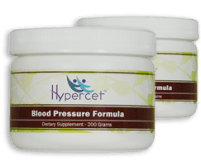
Hypercet maintains blood pressure within the normal range. Supports systemic balance in the cardiovascular system responsible for regulating blood flow and healthy blood pressure. Supports healthy circulation and coronary artery health.

All Natural Solution

Hypercet Ingredients have been used in traditional medicine for thousands of years to support the solid health of the heart and circulatory system. In more recent times, research has investigated these claims.

There are now a number of published clinical studies demonstrating the ability of a range of herbs to support the cardiovascular system and to maintain normal range blood pressure.

Learn more about Hypercet Blood Pressure Formula – Click Here!


What Causes Varicose Vein in Legs


There are multiple varicose veins causes and it is wrong to think that this is solely a condition of old age. Varicose veins can often run in families but they are also a common affliction of shop workers and bar staff as they can caused by standing up for extended periods of time, as well as being an unwelcome side effect of pregnancy due to increased blood volume and the relaxation of vein muscle walls as a consequence of hormonal changes.

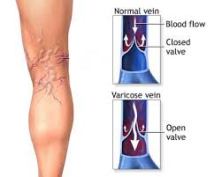
In order to force blood back to the heart, our veins have a series of valves that act as a one way door that prevent the blood from responding to gravity and flowing back towards the ground to pool in our lower extremities. A varicose vein is caused when one of these valves fails, causing the blood to flow back and causing the vein walls to be stretched out of shape. This occurs in the superficial veins near the surface of the skin which are the unsightly dark lumps and bumps that we associate with the condition.

There are a number of factors that can increase your likelihood of developing varicose veins:
You are a woman
Statistically women are more likely to develop varicose veins than men, thought to be brought about by the muscle relaxing properties of female hormones. These hormones make the vein walls more likely to stretch.

You work in retail or catering
Chefs, waiters, bar staff and shop workers often describe varicose veins as an occupational hazard and can significantly increase your risk of developing the condition. The main common factor to all of these professions is the need to spend significant amounts of time standing up which can have a negative impact on how efficiently your circulation works.

Other family members have developed them
It is believed that variances in genetic makeup can tend some families towards developing varicose veins.

You are overweight
Excess weight makes it more difficult to your blood to circulate properly and increases the pressure on the veins which makes it much more likely that the veins will leak. It is also possible that you have higher blood pressure which also contributes towards stretching the veins and damaging the valves that are critical to preventing varicose veins.

You are pregnant
As previously mentioned, varicose veins are a common side effect of pregnancy for a variety of reasons. During pregnancy, the amount of blood in the body increases to support the growth of the baby which places inevitable additional strain on the circulatory system.

Secondly the heightened levels of estrogen and progesterone cause the muscle walls to relax making the veins more likely to leak. Finally around the 13 or 14 weeks of pregnancy the weight increase that is part and parcel of having a baby will again increase your chances of developing varicose veins.

You are inactive
Regular exercise is believed to be a significant factor in keeping varicose veins at bay as having a strong circulatory system prevents the pooling that leads to varicose veins. Some of the causes of varicose veins lie outside a person’s control, however like with so many other conditions, maintaining a healthy weight and staying active can have a genuine preventative effect.

How to Prevent Varicose Veins

No one wants to get varicose veins and there are a number of ways of preventing varicose veins from appearing or reappearing if you have had treatment to repair or remove them. While pregnancy, hormonal changes or an underlying family predisposition to the condition may make varicose veins hard to avoid, there is a lot you can do to help fight them off. If you know that you are already at high risk, because you have already had varicose veins or close family members have already had significant problems, try wearing compression stockings or tights. Because the way the legs are squeezed by the stockings, you can ensure that no undue pressure is being placed on your venous valves and your circulation is being properly supported. They need to be worn from the moment you get up until you go to bed at night which may not always be practical.

Following a sensible diet and exercise regime has an important role to play in the prevention of varicose veins. Exercising regularly by simply getting out for a thirty minute brisk walk four times a week can really make a difference to your cardiovascular health in general as well as strengthening your legs muscles which also improves the circulation. Be sure to consult your doctor before you start a program of exercise if you have any other health problems. A diet that is rich in bioflavonoids, Vitamin C and Vitamin E goes a long way towards preventing varicose veins as these vitamins and antioxidants are instrumental in repairing and strengthening veins and capillaries.

Be sure to include dark berry fruits like cherries and black currants in your diet (as these are a great source of bioflavonoids and vitamin C) as well as lots of other fresh fruit and vegetables and watch your salt intake to ensure that you are not damaging your heart and circulatory system with an excessively high  intake. It is also very important to keep your weight down as extra body fat puts too much pressure on the legs and can cause varicose veins to appear. If you can avoid standing for extended periods of time, make sure you do. However even if your job does require you to stand for 85% of your working day, there are still ways to lessen the risk of developing varicose veins. When you are standing still, make sure you move your weight from one foot to the other, walk about when you get the opportunity and raise your heels up and down several times an hour to get the blood pumping properly in your legs. It also pays to remember that when you get to the end of a long day of standing, make sure you put your feet up (preferably above heart level) for at least an hour.

Likewise, if you have a sedentary job that involves sitting down for extended periods during the day, remember to get up and walk around a couple of times an hour as this again will encourage the blood in your legs to flow properly and remember to rotate your ankles. It is also worth noting that crossing your legs at the knee can also severely impede efficient blood flow so cross your legs at the ankle instead. Make sure that when sitting and relaxing at night, you have your feet up as this reduces the strain on the veins. What you wear is also important. Tight clothes that restrict blood flow can increase the risk of varicose veins, and so do high heels. Walking in heels works the buttock muscles rather than the calf muscles which means that the massaging action of walking is lost. If you know you are in danger of developing varicose veins it might be best to stick to low heeled shoes.

Natural help To get rid of Varicose Veins

There are a number of techniques available that provide natural help for varicose veins that do not involve pills, chemicals or medical interventions. In recent years, many people have sought to find more holistic ways of treating themselves that lie outside of conventional medicine and there are many techniques that, while they may not make your varicose veins go away, they also will not make them worse and may give you with some much needed relief from aching and discomfort. That said, it is also worth bearing in mind that if you are experiencing major pain, there is bleeding or bruising or you have developed a skin problem like varicose eczema or an ulcer, it is advisable that you seek appropriate medical treatment to prevent these conditions from getting worse.

Yoga can be a major help in relieving the symptoms and discomfort of varicose veins and you do not need to do outrageous, “tied up in a knot” postures to reduce your symptoms. Although postures that encourage the blood to drain from the legs are the most obvious means of obtaining relief from the condition, it is believed that the deep breathing that you engage in as part of your yoga practice helps to oxygenate the blood which means that your circulation is working more effectively. The yoga postures that are of most benefit to varicose vein sufferers are those where the feet are above heart level which helps the blood drain back towards the heart as it is meant to, and can also help reduce swelling. Though it is advisable to speak to a proper yoga teacher, there are plenty of resources available on the internet, as well as videos and books that mean that you can do yoga at home without outside assistance. However as is true of any form of new exercise, consult a medical professional if you have any concerns.

Hydrotherapy can be one of a number of ways of reducing discomfort that involves the use of heat and cold, eliminating the need for pills to relieve pain. Cold compresses applied to the affected area can often help to reduce swelling and discomfort, while alternating between hot and cold baths is believed to stimulate the circulation. This involves two buckets of water, one that is bearably hot (so be sure to test it with an elbow first to ensure that you will not get scalded) and one that is cold which should of a depth that will cover most of your lower leg. Aromatherapy oils or Epsom Salts can also be added to the water to make the process more pleasant and you will need to repeat this treatment once a day for about a month. It is important to note however, that if you suffer from diabetes make sure you use warm, rather than hot water as diabetics tend to be more likely to suffer from scalds due to problems with the nerves in the leg.

Another common sense way to help varicose veins is to lead a healthier lifestyle, with a diet that is rich in fruit (particularly dark berry fruits like blackberries and cherries) and vegetables. It is also important that your food is low in saturated fats and salt as both of these have a well documented negative effect on venous and cardiovascular health, as well as maintaining a healthy weight. Exercising regularly and not smoking, which also has a negative effect on cardiovascular health as it causes the blood vessels to harden and constrict and reduces the amount of oxygen in the blood stream, will also help. While this cannot be described as a magic bullet that will cure or prevent varicose veins, it does mean that you are doing everything you can to stay in tip top health.

Learn more about The Alternative treatments for Varicose Veins, Click Here! 

Sciatica Health – Creating an Effective Sciatica Exercise Routine

Sciatica Exercises – Why You MUST Perform the Right Exercises for the Underlying Cause of Your Sciatica

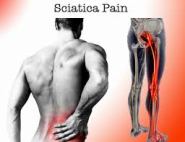
Sciatica, at its most basic level, is caused by irritation of the sciatic nerve. This nerve runs from the spine down to the feet – which is why your sciatic pain often feels like electric “shocks” throughout the lower limbs.

If you’re suffering from sciatica, you may feel like you don’t want to do any exercise or physical activity. This is understandable – especially if pain is severe. Even so, it’s vital to stay active to prevent your muscles from becoming weak and stiff.

The best way to do this is through a guided sciatica exercise program. By using a combination of strengthening and mobility exercises, you can maintain strength and reduce compression of the sciatic nerve. This can lead to a relatively quick improvement in pain levels.

You shouldn’t just Google a random set of exercises for sciatica though. This is a common mistake – but can lead to increased pain and recovery times. It’s also one of the main reasons why people who use sciatica exercise programs don’t successfully reduce their pain.

Why Sciatica Exercise Programs Are Often Ineffective?

Sciatica can be caused by a range of different problems, including a herniated disc in the spine, spinal infections, repetitive injuries, enlarged ligaments…and many more. Performing the wrong exercise for the underlying cause of your sciatica could actually make your pain worse – and may increase the time taken for a full recovery.

If, for example, your sciatica is caused by excessive bending of the spine, then exercises to increase lumbar range of motion could make the condition worse. In contrast, these same exercises could potentially be effective at treating sciatica caused by excessive muscle tightness around the sciatic nerve.

This is why you should be extremely careful when finding a sciatic exercise routine online. In fact, unless the program recommends different exercises for each cause of sciatica, it is probably best to avoid it.

Creating an Effective Sciatica Exercise Routine

There’s an even bigger problem with many sciatica exercise programs. While a basic program may provide short-term relief, many don’t include the essential components required for long-term success. An effective program must include:

  • Exercises to prevent muscle weakness without aggravating your existing condition.
  • A system for gradually increasing intensity to build up strength and reduce pain.
  • Exercises to reduce stress on the lower back.
  • Structured exercises that are designed specifically for the underlying cause of your sciatica.
  • A complete guide to the correct form for each exercise – so that you don’t accidentally aggravate your condition or even cause a new injury.

Without these components, an exercise program is unlikely to make a lasting difference to pain levels. There may be some short-term relief, but the underlying problem will often return quickly.

If you would like to learn how to eliminate sciatica pain in just seven days, Click here for a complete treatment program. The program also contains a guide for creating a safe exercise routine for any cause of sciatica, and it will show you EXACTLY the exercises you should be doing for your sciatica!

Why Conventional Sciatica Treatments Often Don’t Work…And Could Even Make Your Pain Worse

Chronic sciatica can be a frustrating condition to cure. It’s common for people to try multiple types of treatment – often spending a lot of money in the process – without noticeable results.

But here’s the good news. Sciatica can be extremely painful and even debilitating, but it’s very rare that the sciatic nerve is permanently damaged.

This means that even if you’ve been dealing with sciatic pain for years, there is a high chance that you can completely recover and live a pain-free life.

Not only that, but many people can recover from sciatica much faster than you could ever imagine – sometimes in as little as seven days – with the right treatment program.

The key is to find a treatment that addresses the underlying cause of your pain.

Why Conventional Sciatica Treatments Often Fail?
If you visit a doctor about your sciatica, he or she is likely to prescribe pain-killing medication. This can be useful as a short-term fix and may also reduce inflammation.

The problem is that medication doesn’t address the underlying cause of sciatica. If you have a compressed or irritated nerve, drugs often just hide the problem without resolving what’s really causing your pain.

Many pain-killers – especially non-steroidal anti-inflammatory drugs – are also not suitable for long-term use. They can cause stomach pain, bloating, diarrhea and other nasty problems.

The worst part? If something you are doing is causing sciatica…such as putting excessive load on the spine during certain movements…then masking the pain with drugs could cause you to keep repeating the action and make your pain worse.

This is a big problem with the modern approach of pain management. It’s also why many people suffer for years with sciatic pain even though they are receiving traditional medical treatments.

Can Chiropractors Eliminate Sciatic Pain?

Another common treatment for sciatica is chiropractic manipulation. There is some low-quality evidence that this can provide relief for short-term sciatica…but there is little or no evidence that it can work for chronic sciatic pain.

There have also been reports that sciatic manipulation can cause a condition called cauda equina syndrome – a serious problem that can lead to loss of function in regions of the lower back. It can even result in sexual dysfunction or loss of bladder control.

Considering there isn’t much evidence to suggest that chiropractic manipulations can reduce sciatic pain, it’s hard to recommend it as a treatment when it’s potentially linked to more serious problems such as cauda equina.

What Are Some Effective Treatments for Sciatica?

If conventional treatments may not reduce your sciatic pain – or can even make the problem worse – what can you use instead?

There are a number of alternative treatments available. These include home remedies, tailored exercise programs, sleep therapy and many more. Alternative treatments have helped thousands of people overcome their sciatic pain without expensive or dangerous therapies.

To read about the completely natural treatment program for sciatic pain, Click Here!


(Advertisement)

(Advertisement)