Archives

How Dogs Lower Blood Pressure and Cholesterol

Swedish scientists have just published a study in Scientific Reports that shows that dog owners have a lower risk of cardiovascular disease and overall risk of death than those who don’t have dogs. Surprisingly, one type of dog provided their owners with the best health benefits, which gives us a strong indication of why owning a dog helps prevent stroke, heart attack and other causes of death. In Sweden, it is compulsory to register yourself as a dog owner, and you also get a registration number when you visit a hospital.

With all this information easily available, researchers compared the hospital records of dog owners and non-owners over 12 years to see who was more likely to be hospitalized and die. Those who owned dogs originally bred for hunting, like retrievers and terriers, had the lowest risk of both heart disease and death. This indicates that owning a dog that needs a lot of exercise motivates you to go out for a long walk every day, which is one of the best things you can do for your heart.

However, this is not the only reason dogs are heart healthy.

Companionship has long been linked with good health. And what better companion than a loving dog?

Older studies, like one from the American Heart Association published in a 2013 edition of the Journal Circulation, reveals that dog owners get more exercise, have lower cholesterol, have lower blood pressure, respond to stress in a way that does not elevate their blood pressure, and have a better chance to survive after an acute heart event. Now having a dog is not for everyone and even if you do, it may not be enough to lower your blood pressure and cholesterol to a healthy level.

If your cholesterol is too high, learn how to get it under control – in 30 days or less – by cutting out one single ingredient you didn’t even know you were consuming. Read more!


Surprising Cells Cause High Blood Pressure (you can control them)

This function is essential to your health. Without it, a simple flu would kill you and a splinter would bring you to the emergency room. But according to a study published in the journal, Immunity, this essential cell function is also responsible for deadly high blood pressure. Scientists from IRCCS Neuromed have discovered recently that T-cells, immune cells produced mostly by the spleen, play a major role in raising blood pressure. This sounds a little strange since the T-cells are an essential part of the immune system, but they also drive inflammation in the arteries, which causes damage to cardiovascular health.

The big question, however, is why does the body send out T-cells to raise blood pressure?

The scientists theorized that PlGF (a specific protein that interacts both with T-cell production and function to widen arteries) was the missing link in this function. To prove their theory, the scientists genetically engineered a group of mice, so they would not produce PlGF under any circumstances. Then they loaded the mice with angiotensin II, a hormone that usually raises blood pressure. But the engineered mice didn’t release any T-cells from the spleen and therefore their blood pressure stayed low. Whereas normal mice who produced PlGF, released T-cells and developed hypertension. Now, as the medical system would have it, the conclusion was to develop drugs to decrease PlGF and therefore decrease the number of T-cells released. And that’s where my opinion parts with the scientists.

Why in the world would you want to strong-arm the essential part of your immune system instead of first asking WHY does this function begin in the first place?

T-cell/inflammation response is called out when your body believes it’s under attack, or when there is a great danger to your health. This could be bacteria, pollution, foreign objects (splinter) or any other external threat to your body. Subtler, however, is any kind of stress. Especially long-lasting stress. This could be mental (challenge at work), emotional (divorce), sensory (traffic noise), or physical (running a marathon, disease), BP_139814820_m-2015but any kind of long-lasting stress puts your immune system in high gear to build up any damage done as soon as possible. This study was remarkable, and it revealed some of the physical processes your body goes through to raise blood pressure once it’s under stress. Your brain sends out PlGF, which produces T-cells and raises blood pressure when your body is experiencing long-lasting stress of some kind. Even after the stress is no longer present, the brain becomes somewhat stuck in the process of releasing PlGF. Therefore, the inflammation response (T-cells) and high blood pressure are stuck in ‘high gear,’ which again, causes stress throughout your body. The solution is to break this vicious circle. My approach is to apply something I call a Focused Break. It reboots your system, causing it to evaluate the need for increasing blood pressure or not. The typical result is that BP drops down to a normal level.

To apply the Focused Break, you must use 3 easy exercises. Learn more about the Focused Break and the 3 easy exercises here..!


Why Arthritis Patients Suffer This Unrelated Infection

topPicPeople with arthritis are more likely than the healthy population to suffer from infections, including potentially deadly ones that can put you in hospital on intravenous antibiotics. Conditions like urinary tract infections, upper respiratory infections, pneumonia, and meningitis are all caused by bacteria or viruses and are all common in people with arthritis.

So why does this happen to people with arthritis?

To answer this, American researchers analyzed the data of arthritic patients registered on the Corrona registry between 2003 and 2015, comparing people with different levels of disease activity to see how important it is to keep arthritis under control.

They published the study in the journal Arthritis Care Research.

In this case, they used the commonly used clinical disease activity index to separate the patients into those…

– with sustained remission (3,355 people),
– those with sustained low disease activity (3,912 people),
– and those with sustained moderate to high disease activity (5,062 people).

Overall, there were 1.03 infections per 100 patient-years in the remission group, 1.92 in the low disease activity group, and 2.51 in the high disease activity group. For this reason, it is incredibly important to keep your arthritis under control, especially to the point where you are in remission and the condition is mostly dormant. Those who took drugs that suppress the immune system had twice the risk of infection of the others, and in their case remission did not help.

So how can you put your arthritis in remission without suffering the side effects of medications?

Here are the exact 3 steps, thousands of readers have used to completely rid ourselves of arthritis. Read more!


Advertisement
Get great posture NOW


Advertisement

Advertisement

Most Surprising Cause of High Cholesterol

LDL_58341913_m-2015High cholesterol, is it caused by diet, lack of exercise, your genetics or what? New research, just published in Science Magazine, reveals at least one major reason some people have high cholesterol and other don’t – even if they share the same lifestyle. What’s more, it’s the same angle as causes arthritis, schizophrenia, eating disorders and visceral fat accumulation.

And it’s all somebody else’s fault!

A few years ago, scientists started to construct a complete genetic profile of a female Neanderthal from her bones found in the Vindija Cave in Croatia. Since Neanderthals and homo sapiens mated and had children, they wanted to understand which genetic factors came from the Neanderthals. After all, almost all of us probably have some traces of their genes in our blood. We probably inherited our genes for rheumatoid arthritis, schizophrenia, eating disorders, visceral fat accumulation, and cholesterol from our distant ancestors.

Sounds bad, right?

But one of the genetic variants for cholesterol we inherited from them is actually positive. It’s called rs10490626 and is associated with LDL (or bad) cholesterol, and most of the people who carry it have relatively low levels of this type of cholesterol. Does this really mean you should sit down helplessly and blame your cholesterol on your ancestors? It certainly does not. Whereas genes play some role in the game, the main reason for high cholesterol and most other health issues is caused by our lifestyle.

And most amazingly, the main reason for all plaque buildup in our arteries is caused by one ingredient, you didn’t even know you were consuming.

Since the 1970s, most medical institutions have stood by the view that LDL cholesterol is bad cholesterol because it hangs around in our blood streams and consequently forms plaques in our arteries that damage and block them. As a result, when you go for a cholesterol test, your doctor measures your LDL cholesterol to calculate whether you are at risk of heart disease. If your LDL cholesterol is high, you will be pushed to take dangerous statin drugs.

A new study now suggests that this is wrong, and that lowering LDL cholesterol may be completely useless to avoid heart diseases. To understand how this works, you should understand how cholesterol is carried in your blood stream. Cholesterol travels through your blood stream in protein parcels called lipoproteins. The lipo (fat and cholesterol) is inside, the protein cover is around it. LDL stands for low-density lipoprotein. In the new study, published in JAMA Cardiology, researchers treated groups of people with different substances to lower their LDL.

When their LDL alone was lowered, they showed only a small reduction in heart disease risk. However, when their LDL was lowered in combination with something called apolipoprotein-B (normally called apoB), their heart disease risk plummeted far further. This suggests it is apoB that needs to be lowered, not LDL cholesterol.

So, what is apoB and why is it so important?

ApoB is a protein without which these lipoprotein parcels that carry cholesterol cannot be formed. Wherever you find a well-formed LDL parcel, you will find ApoB around it. When a laboratory measures your LDL, it measures not only the number of LDL parcels that travel through your blood stream, but also information on the size of the LDL parcels to estimate exactly how much cholesterol they are carrying. This means that, when your LDL cholesterol drops, it may be either because the number of LDL parcels drops, or because the size of the parcels drops while their number remains the same.

When a laboratory measures your apoB, on the other hand, it measures only the number of LDL parcels, with the amount of cholesterol they carry being irrelevant. Therefore, this new study shows that to cut your heart disease risk you need to cut the number of LDL parcels in your blood stream, not the amount of cholesterol carried by these LDL parcels. The scientists did not speculate why this was the case, but the fact that each of our body’s cells has only one receptor to receive apoB might explain it. Your body’s cells want to absorb the LDL that is currently travelling through your blood stream so that they can use it. But if you have too many LDL parcels, these parcels have to wait in a traffic jam outside your cell’s limited apoB receptors before they can be absorbed.

This means that LDL parcels have to circulate through your blood stream for long periods before they can be used, increasing the chance that they will become oxidized (go rancid),  and it’s oxidized cholesterol that forms plaque in your arteries, causing stroke and heart attack.

Learn how to clear your arteries of oxidized cholesterol and prevent stroke and heart attack – in 30 days or less – Click Here!


The Arthritis Strategy

Take a Walk, Cure Arthritis

Arthritis pain can be so bad that a walk to the bathroom can seem like struggling through a bed of nails –if only the nails were being hammered into your knees and back! Your body tells you to “sit down and rest” between every step. But that’s some horrible advice, no matter how well intentioned it may be.

The Real Future of Arthritis
Many doctors predict that technological advances like cutting edge medications and futuristic machines will someday emerge as the “cure” for arthritis. Unfortunately, no amount of money or science is going to take care of this pesky $120 billion dollar arthritis problem out nation struggles with. After all, we already have prevention and a cure. Best of all, it doesn’t require a single dollar, a prescription, or even a doctor’s appointment.

What’s this amazing arthritis treatment that has arthritis scientists jumping up and down in excitement? Walking!

Walk It Off
Researchers at the National Institutes of Health recently looked at a group of people with knee osteoarthritis who weren’t yet in serious pain. Those that did light exercise for just 20 minutes per day completely put the brakes on arthritis.

What if you already have arthritis? Walking can change your life too.

A study published in the Annals of Internal Medicine found that a walking program reduced arthritis pain by nearly one third. That blows away the results from arthritis medications that tend to modestly improve pain levels by 10 percent or less.

Walk This Way
Arthritis can make walking an uphill battle. Fortunately, you don’t have to walk to China and back to see a very big difference.

Here’s how to do it:

Start S-L-O-W: The transition from couch potato to power walker is a dramatic one. Your walking program should be like a beat up 67’ Chevy: start slowly, gradually increasing the speed, and go strong after a thorough warm up.

Record, Rinse, Repeat: Just “going for a walk” may work for some, but your enthusiasm will quickly sputter out. Setting goals and benchmarks will keep you on track and make sure you stick to this life-altering change.

Don’t Be Afraid: To breathe, sweat and struggle. As long as you can pass the “talk test” (being able to carry on a conversation while exercising), you’re at the right intensity level.

Expect Miracles…Eventually: There’s no question that daily light exercise turns the tables on arthritis. But it’s going to take more than a few laps around the track to feel a difference. Stick with it and the results will come.

Run, Don’t Walk, To Buy This Incredible Program
Walking works. But for those with painful or stubborn arthritis, it’s not nearly enough.  Learn more about  CLICK HERE!


728x90</p> <p>


Advertisement
Get great posture NOW

Natural Remedies For Uterine Fibroids

Despite a long standing faith in the power of allopathic medication and other conventional forms of treatment, more and more people are now opting for natural forms of remedy. Natural remedies for uterine fibroids are an alternative form of treatment that is both safe and reliable. Uterine fibroids, also known as fibroid tumors, leiomyomas, or myomas, develop within the uterus. Women across the globe face this problem in their reproductive years. The popularity of natural treatments specifically for uterine fibroids has risen in the last few years.

Natural treatments for fibroids tend to be much safer compared to conventional medication as they cause little or no side effects. This is because, unlike conventional medication, natural treatments do not interfere with your body’s internal mechanism. If you are looking for natural remedies for your uterine fibroids, these are some of the options available to you:

. Herbs- Using herbal treatment for your fibroids helps in balancing the hormonal activity and strengthening the liver, thereby reducing estrogen levels in the uterus. Herbs also help in dealing with difficulties like heavy bleeding and excruciating cramps. Herbs like vitex, help in lowering estrogen level, while herbs like dandelion root and milk thistle, help in improving liver function. Other herbs like nettle and yellow dock work towards detoxification of the body and help to regulate the heavy bleeding caused due to fibroids.

. Proper Diet- This is possibly the most fundamental treatment among all the natural remedies for uterine fibroids. A diet rich in saturated fats will cause your liver to be dysfunctional and subsequently increase estrogen levels and cause hormonal imbalances. A recommended diet would be one which is low fat and high fiber. Therefore, foods like oats, millet and brown rice, fish, nuts, fruits, vegetables, and soy are advisable. It is safe to avoid dairy products in general. The key factors to ensure are that firstly, your diet is mainly alkaline-forming so as to balance the acidic content in your body and secondly, the food you eat does not overwork your digestive system.

. Aromatherapy- Aromatherapy uses essential oils to increase circulation in and around the pelvic region. This helps in relaxing the uterine muscles and subsequently reduces abdominal cramps. The essential oils of ginger, rose and marjoram are greatly beneficial for relaxing the body, stimulating circulation and balancing the hormones. These essential oils may also be used in therapies like abdominal compresses.

. Meditation- Stress has become a part and parcel of our daily lives. For women, stress can prove to be a catalyst for uterine fibroids. Stress increases blood pressure and causes hormone levels to be erratic, thus aggravating the growth of uterine fibroids. Meditation can go a long way in relaxing the body and calming the mind. It also helps you to deal better with the complications that fibroids entail. While meditating, it is important to inhale and exhale slowly through your nostrils only.

. Exercise- Exercises like aerobic dancing, brisk walking, cycling and running help to reduce stress and blood pressure. Exercises also help in stimulating a healthy blood circulation and relieving muscle tension. This greatly relieves sufferers from abdominal pain associated with menstruation and fibroids. It is advisable to avoid participating in sports like basketball and tennis as they tend to increase the stress levels and, thus, enhance the growth of fibroids.

When using natural remedies for uterine fibroids, it is advisable to utilize a combination of remedies for a wholesome approach to the problem. Thus complementing a proper diet with meditation and exercise will help in dealing with the condition holistically. Holistic treatments work towards strengthening your body from within and thereby equipping your body with the force it needs to fight diseases in general and fibroids in particular. Natural remedies require some dedication and patience. It is important to remember, however, that persistently following these treatments will help in curing the fibroids permanently and prevent the condition from occurring in future.

This article is based on the book, “Fibroids Miracle” by Amanda Leto. Amanda is an author, researcher, nutritionist and health consultant who dedicated her life to creating the ultimate Fibroids solution guaranteed to permanently reverse the root of uterine fibroids, naturally enhance your fertility and dramatically improve the overall quality of your life,  without the use prescription medication and without any surgical procedures. Learn more by visiting her website:  CLICK HERE!


The #1 Organ That Causes High Blood Pressure, and nobody talks about it

By Christian Goodman

Anybody diagnosed with high blood pressure will find a volley of ideas and thoughts on what factors and organs are responsible for the spike. But there is one organ that nobody ever talks about, not even mentions, when discussing high blood pressure. This organ secretly narrows your arteries and raises your blood pressure. The good news is, when you shed light on this organ, it’s very easy to tackle it and permanently cure high blood pressure – without medication.

A study conducted by researchers from The School of Medicine at University of Maryland, and Ottawa Heart Institute, found an interesting link between our brains and high blood pressure. In this study, the researchers identified a steroid compound called ouabain, which the brain releases to constrict or dilate the diameter of the arteries throughout the body.

The researchers performed certain experiments on animal models to find this definite link between the release of ouabain in the bloodstream and constriction of arteries. Obviously, if the brain releases more ouabain, which narrows the arteries, blood pressure rises. Just like there is more pressure when drinking milkshake through a narrow straw than a wide straw.

The most interesting part of this finding is that now we can see our brain has almost complete control over our blood pressure. If we have high blood pressure, it’s because our brain has consciously decided to release ouabain to raise our blood pressure.

So why does the brain make that decision?

The answer is any kind of stress. It can be sensory (traffic noise), emotional (divorce), mental (work task), or physical (workout, disease). Most of the time this is a temporary stress and your brain raises your blood pressure to deal with an immediate threat or condition (this is healthy).

But at some point, it becomes chronic. It’s like some neural path gets stuck in this stress circle and can’t get out of it. Obviously, then, the solution for high blood pressure must be to get us out of this circle. Tell the brain to chill out and stop overdosing on ouabain.

This is what I call a Focused Break.

Long before this study came out, I developed 3 easy exercises designed to give your brain and neural system a Focused Break, and therefore permanently lower blood pressure.

Learn more about these Focused Break, blood pressure exercises and try them out for yourself here…

Advertisement
728 x 90

Advertisement
728 x 90

Advertisement
Tremors

Advertisement
CWI Medical Healthcare Supplies

When Snoring Becomes a Problem

When Snoring Becomes a Problem

by Christian Goodman

Snoring it’s something we all grow up knowing about. Granddaddies snore after Thanksgiving dinners. Moms tease dads about their snoring and sometimes it’s mom who snores. The point is, snoring is quite common. At some point we have all snored or known of someone who did.
What we cannot all readily discern however, are the reasons behind snoring.
The Stop Snoring Exercise Program” forced me to examine various causes of snoring and incorporate them into the system.
Why we snore?
First of all, it may be hereditary. That’s right; certain physical characteristics may just be family traits we can’t avoid. Large tonsils and adenoids can contribute to snoring. Gender can increase your odds of snoring.  Males tend to snore more.  Age also contributes.  The older most people get, the less toned they are.  Muscle tone or rather the lack of around the throat can lead to snoring. Reduced air flow through the nose due to an illness or having allergies can result in snoring as well as a poor night’s rest.
Contributors like that are not within our control. We can change some of the other reasons that we snore. Among these ‘changeable’ reasons are such things as being overweight or out of shape, a history of smoking, alcohol, medications, or simply our sleep posture.
Issues from Snoring
People who snore suffer. So do those who love and live with them. Couples resign themselves to separates rooms when sleeping – creating distance where normally closeness would reign. Our physical and emotional well being suffer. We have study after study proving the value of a good night’s sleep. But we also have sleep studies proving that snoring is waking many up throughout the night. It’s a nuisance that’s robbing us of the most rewarding ‘deep’ sleep that our bodies crave.
Do You Know How you Snore?
Snoring with a closed mouth can be the result of tongue position.  It can deter air passage. If you sleep with your mouth open, it’s much more likely that your throat tissues are causing this bothersome Zzzzzzzz. Those sleeping on their backs have cases that are generally milder in nature. A change in position and concentration on good posturing will often give this group relief.
When snoring occurs in all sleeping postures and mouth positions, additional issues may present. For the larger majority however, a simple lifestyle change to get in better shape or some attention to finding a position for optimal air passage can make a difference in a sleepless night and a night full of rest.

Christian Goodman is a well known natural health researcher and the creator of many natural health alternatives. A recent work is his stop snoring treatment, which has now provided help to thousands of people to stop snoring.

Discover an All Natural Method That Permanently Eliminates Snoring! CLICK HERE!


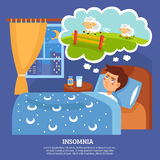
What is Insomnia and What are the Symptoms of Insomnia?

Insomnia is a sleep disorder that causes difficulty falling asleep, difficulty staying asleep or both, states WebMD. Individuals typically have one or more of four major symptoms: difficulty falling asleep, waking up frequently and struggling to fall back asleep, waking up early in the morning or feeling tired after waking. There are two main types of insomnia, according to WebMD. Primary insomnia is characterized by sleep issues not associated with another health problem. Secondary insomnia, on the other hand, occurs when a pre-existing health condition, pain or substance use is causing sleep issues. This can include physical ailments such as asthma, arthritis or heartburn, or mental conditions such as depression.

Insomnia can also be classified as either acute or chronic, states WebMD. Acute insomnia, or short-term insomnia, can last between one night to a few weeks. Chronic insomnia occurs when a person struggles to sleep at least three nights per week, for a period of one month or longer. Individuals struggling to sleep or suffering from one of the symptoms of insomnia should visit a health care provider for proper diagnosis and treatment, advises WebMD. Additional symptoms that may indicate a problem with insomnia include fatigue during the day; difficulty concentrating and remembering things; general sleepiness; and irritability.

Symptoms of insomnia include difficulty falling and staying asleep at night and feeling tired after a night’s sleep, states Mayo Clinic. An insomnia sufferer takes more than 30 minutes to fall asleep and sleeps for less than six hours for three or more nights a week over a 30-day period.

Additional insomnia symptoms include awakening earlier than needed, daytime fatigue, anxiety, irritability, depression, inattentiveness, clumsiness, tension headaches, brooding over sleep and distress about sleep, explains Mayo Clinic. Consult a doctor to determine the cause of insomnia if symptoms make it hard to function during the day. A doctor may suggest a sleep center to determine if insomnia symptoms indicate a sleep disorder.

Complications of insomnia symptoms include substance abuse, decreased performance at school or on the job, obesity, increased risk for long-term conditions such as heart disease, high blood pressure and diabetes, and slowed reaction time that increases the risk of accidents, according to Mayo Clinic. Risk for insomnia is greater for women, older adults, individuals under stress, those with a mental health disorder and individuals traveling long distances. Stimulants such as caffeine, alcohol and nicotine taken late in the day may intensify insomnia symptoms, and eating too much before sleeping can cause insomnia from heartburn.

What are some signs of having a sleeping disorder?

The signs of a sleeping disorder include frequent napping or persistent fatigue during the day; lack of concentration; sleeping inappropriately, especially when sitting; and waking up earlier than normal in the morning. A person with a sleeping disorder may also experience loud breathing or snoring during sleep and a feeling of wanting to move legs, especially during bedtime.

Because a sleeping disorder may signify a serious underlying condition, it is advisable to seek immediate medical care when the signs of the condition persist to ensure early diagnosis and treatment of the cause, states. Some of the tests that may help to diagnose the cause of a sleeping disorder include electroencephalogram and polysomnography. Based on the results of the diagnosis, the doctor may recommend treatment options such as sleeping pills, allergy medications and psychotherapy.

A sleeping disorder is a short-term or long-term condition in which an individual experiences disturbance in his sleeping habit as a result of an underlying disease or condition. Causes of sleeping disorders include bedwetting, which typically affects children; restless leg syndrome, which is an increased leg movement during sleep; and insomnia, which is a prolonged lack of sleep due to anxiety, stress and hormonal changes. Sleeping disorders may also result from allergies, sleep apnea and nocturia, which is a condition in which the night time urination frequency is higher than normal.

If you suffer from sleeplessness 2 or more times a week, then insomnia has found its way into your life and it is slowing stealing your happiness. Discover Ways To End Your Insomnia Completely!  Click here to learn more about..

Do you spend sleepless nights staring at the ceiling and waking up every day feeling exhausted? Pills only help you to sleep, but they keep you in that zombie state. And you are left to struggle with insomnia all alone. You are left feeling powerless over your own body. Eliminate Your Sleeplessness Once and For All! Click here and read more..


Best Exercise to Lose Weight

We have different reasons to get in shape. And with lots of different exercises around, it’s hard to figure out which is the best exercise to lose weight. Of course, the general rule would be to choose the best exercise that will fit your need to ensure that you get the results that you desire. There are many options available, but the best exercise to lose weight is none other than yoga.

Yoga is a series of physical postures called Asanas. It is a holistic science that believes that everything in our body is connected. It doesn’t only focus on the physical aspect of the body; it also aims to achieve stillness of the mind. It links and synchronizes the power of both the mind and the body to create a sense of balance and stability.

Originally, yoga was created to prepare the body for meditation, which is probably one of the hardest things to do – especially in today’s very busy and demanding world. In meditation, you are expected to channel your senses within, without distraction. Doing this will give you stamina and no longer make you feel that your body is separate from your mind. It makes you a ‘whole’ being, bound by a single energy from the mind, body and soul.

This balance among the aspects of yourself (mind, body, and soul) is what gives you the discipline to concentrate only on the things that are crucial and important. This is what makes yoga the best exercise to lose weight. In terms of overall benefits, yoga is a better choice than other types of physical activities.

Unlike other exercises that only focus on specific areas of yourself, yoga gives an all-natural and far-reaching approach to help you achieve your goal. Aside from being a great activity that the young and old can enjoy, yoga also has other positive effects. When burning fat for instance, it doesn’t target just one area of your body, but rather all over so you can slim down quickly.

Not only that, yoga keeps the heart going and gets rid of the toxins, stress and negative feelings that can make you sick. If you want to tone up, you might think that lifting weights is the best exercise to achieve that. Well, you’ll be surprised to know that yoga can also help you in this aspect.

By doing the various postures, you don’t only relax your body, but also tone your muscles and improve your endurance. Moreover, it can help you be a more positive and likeable person. Through yoga, you will learn to treat your body well and keep a healthy mindset. It will alleviate your anxiety and help you get in the best shape of your life. Of course, it’s best avoid food high in sugar and salt because it contributes to weight gain and make you feel bloated and sick.

Yoga is truly the best exercise to lose weight. Many generations of practitioners swear by its extensive, life-prolonging effects. To start enjoying the difference, you can begin your yoga journey today.

Being a true yogi will be one the best decisions you’ll ever make! Click Here and learn more about!

You can come up with a customized routine that suits your preferences at a particular time. Specifically, you can put together a personalized mix of poses, stretches and other exercises that fits your daily schedule. It’s up to you if you want to start with a sequence of sun salutations and floor stretches or do some standing and balancing poses. Whether you have 15 minutes or a full hour to spare, you have the power to decide how long and what your routine should be – this is the essence of home-based yoga.

You Can Be Your Own Teacher! Click Here and learn more about!